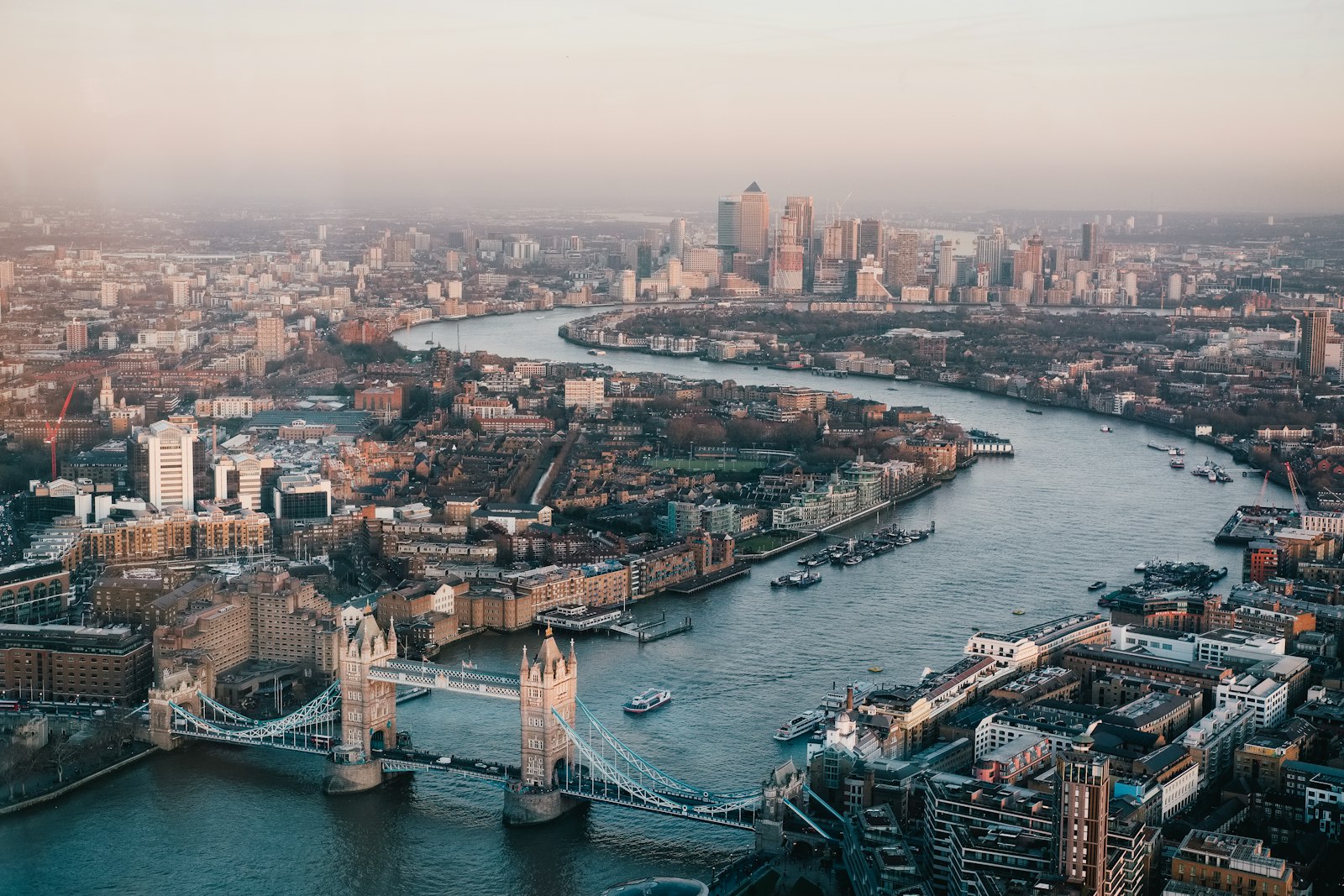
Tower of London
Use this guide to find the right entrance, plan your route, time the Crown Jewels, and explore without backtracking.
Best routes through the Tower
Pick your route based on how much time you have and how deeply you want to explore.
The essentials in 90 minutes
Best for first visitsHit the biggest rooms before the morning crowds build.
Crown Jewels (Jewel House)
25–35 minsWhite Tower
30–40 minsSt John's Chapel
5–10 minsTower Green
5–10 minsTraitors' Gate
10–15 minsCrown Jewels (Jewel House)
25–35 minsWhite Tower
30–40 minsSt John's Chapel
5–10 minsTower Green
5–10 minsTraitors' Gate
10–15 minsYeoman Warder + Tower stories
Best for history loversBuilt around the free Yeoman Warder tour, with prison stories, execution history, and the Tower's resident ravens.
Yeoman Warder guided tour
60 minsBloody Tower
15–20 minsBeauchamp Tower
20–25 minsTower Green
10–15 minsRavens + Inner Ward walk
15–20 minsYeoman Warder guided tour
60 minsBloody Tower
15–20 minsBeauchamp Tower
20–25 minsTower Green
10–15 minsRavens + Inner Ward walk
15–20 minsThe full half-day Tower circuit
Best if you have 4+ hoursA fuller circuit with the major icons, quieter corners, museum stops, ravens, and a scenic riverside finish.
Crown Jewels + White Tower loop
1.5–2 hoursFusilier Museum / Royal Mint
25–35 minsRavens + Inner Ward walk
15–20 minsMedieval Palace
30–40 minsTraitors' Gate + riverside exit
15–20 minsCrown Jewels + White Tower loop
1.5–2 hoursFusilier Museum / Royal Mint
25–35 minsRavens + Inner Ward walk
15–20 minsMedieval Palace
30–40 minsTraitors' Gate + riverside exit
15–20 minsVisiting with kids or limited mobility
Two quick ways to adjust the standard Tower route if you need slower pacing, fewer stairs, or more frequent breaks.
With kids
Keep the visit to 2–3 hours, with one indoor break and one open space reset.
- Do Crown Jewels first before the first major queue builds.
- Use the White Tower for armour displays, then pause at New Armouries Café.
- Let the raven lawns or South Lawn work as reset spaces between indoor rooms.
- Book the 10am Yeoman Warder tour if you want one guided storytelling stop.
Limited mobility
Plan for 1.5–2.5 hours around flatter ward spaces, benches, and staff-assisted access points.
- Enter early and do Crown Jewels before standing queues lengthen.
- Focus on Jewel House, New Armouries, Tower Green, and outer ward views.
- Skip upper White Tower floors and the narrower interior prison towers.
- Ask for the step-free route map and use bench pauses across the ward lawns.
Inside the Tower, step by step
Follow the Tower in the natural order most visitors experience it, with what to notice in each area.
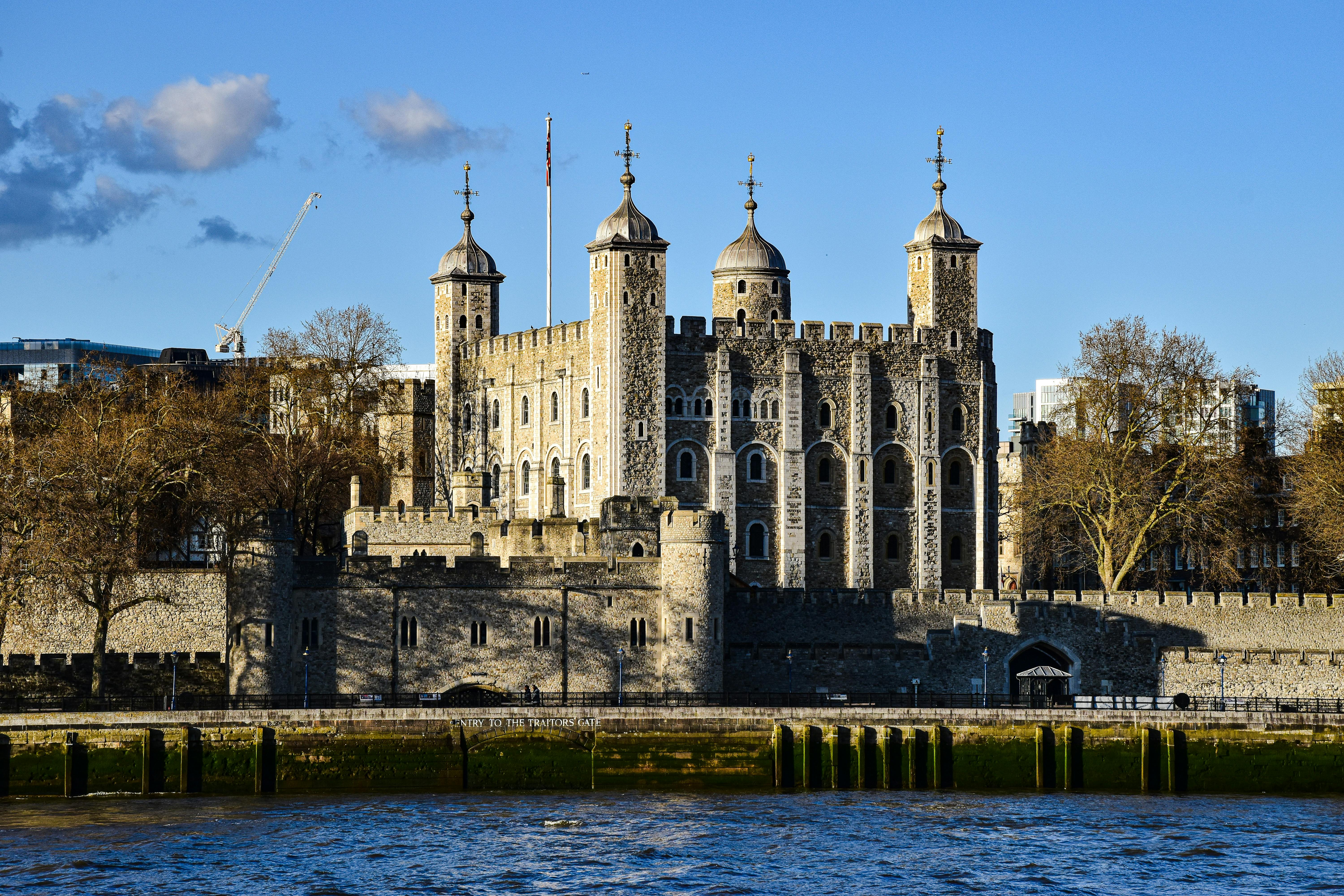
Middle Tower & Byward Tower Gate
You enter through the Tower's original double-gate defense crossing: moat, outer gate, then inner gate before the fortress opens.
What to notice here
Middle Tower
Look up for the vertical grooves where the iron portcullis once dropped.
Byward Tower
Notice the heavy timber doors, slit windows, and murder-hole openings above the narrow passage.
Moat causeway
Pause once and look outward to understand how cut off the Tower originally stood from London.
Why it matters
This short stretch is the Tower's clearest surviving military choke point.
Visitor tip
Look back once before moving ahead — the gate alignment makes more sense in reverse.
Middle Tower & Byward Tower Gate
You enter through the Tower's original double-gate defense crossing: moat, outer gate, then inner gate before the fortress opens.
What to notice here
Middle Tower
Look up for the vertical grooves where the iron portcullis once dropped.
Byward Tower
Notice the heavy timber doors, slit windows, and murder-hole openings above the narrow passage.
Moat causeway
Pause once and look outward to understand how cut off the Tower originally stood from London.
Why it matters
This short stretch is the Tower's clearest surviving military choke point.
Visitor tip
Look back once before moving ahead — the gate alignment makes more sense in reverse.
Hidden details most people miss
Tiny marks, carvings, and overlooked corners that make the Tower feel older, stranger, and more human.
Spot these while you move through the route.
Beauchamp Tower prisoner signatures
Beauchamp Tower, ground-floor cell walls
Look for: Tudor names and initials carved low into the stone, especially the deep "ROBART DVDLEY" inscription.
Why it matters: These were cut by noble prisoners held inside the Tower, turning the wall into a record of waiting and survival.
Salt Tower carved tally marks
Salt Tower, first-floor window embrasure
Look for: Fine scratched counting lines and tiny symbols cut near the narrow light slit.
Why it matters: These marks make the room feel like a lived prison space, not just an old chamber.
White Tower chapel paint traces
St John''s Chapel, south arcade ribs
Look for: Faint red-ochre paint remnants above the curved arches.
Why it matters: Most visitors see bare Norman stone, but the chapel once carried color and decoration.
Traitors'' Gate waterline scars
Inside the river arch
Look for: Horizontal staining and worn grooves where Thames water pressed against the wall.
Why it matters: They show how directly the Tower once worked with the river, especially for guarded arrivals.
St Peter ad Vincula ledger stones
Chapel Royal, near the chancel step
Look for: Worn floor slabs with names and dates cut into pale stone.
Why it matters: The stones quietly name people executed just yards away on Tower Green.
Where your time is best spent
Quick reality checks before you start wandering into every tower, room, and display.
WORTH YOUR TIME
Crown Jewels early
Do this before the queue builds, especially if you arrive in the morning.
Yeoman Warder tour
The fastest way to understand the Tower''s stories without wandering aimlessly.
White Tower main galleries
The strongest architecture and armour displays in one place.
Inner Ward wall views
Good payoff for photos, orientation, and a slower final loop.
SAFE TO SKIP
Raven Shop detour
Fine if you want souvenirs, but not worth interrupting the visit flow.
Repeated armour galleries
After the first strong White Tower sections, the labels can start feeling similar.
Fusilier Museum under 3 hours
Interesting, but too niche if you are on a short visit.
Royal Mint display when rushed
Save it for longer visits; it is depth, not a first-visit essential.
NICE IF YOU HAVE EXTRA TIME
Traitors'' Gate pause
Iconic, but it is a short stop rather than a major experience.
Tower Green memorial
Worth a quiet pause, not a long detour.
Peripheral tower rooms
Good for depth if you enjoy prison history and slower rooms.
Chapel floor memorial stones
Subtle and moving, but easy to miss if you are rushing.
HONEST TAKE
You do not need every room for the Tower to feel complete. Two focused hours can cover the Crown Jewels, Yeoman Warder stories, the White Tower, Tower Green, and a strong riverside finish. Everything else is depth, not necessity.
Season by season: what changes
The month you visit changes queues, daylight, and outdoor comfort.
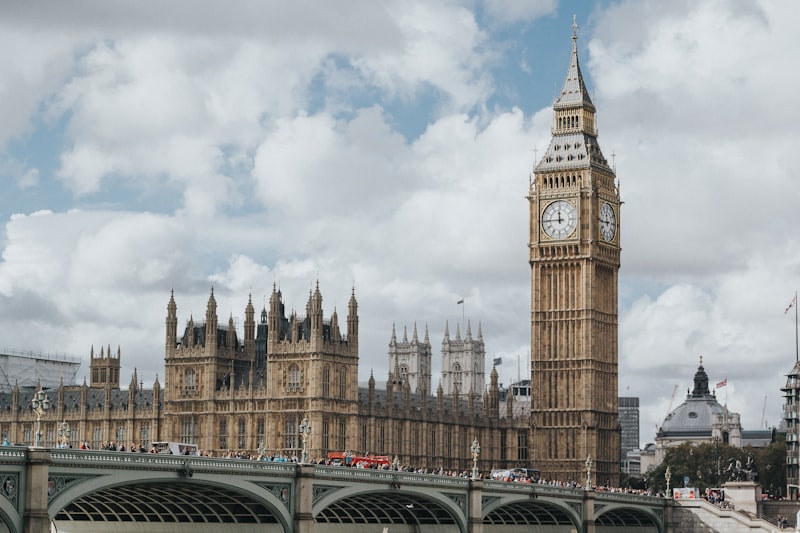

After the fortress
Tower Hill, the riverside, and St Katharine Docks make the best final walk, quiet reset, or food stop once you are through the gates.

St Katharine Docks
Leave through the riverside gate and swap fortress crowds for warehouse cafés, still water, and an easy late lunch. This is the calmest nearby place to sit before heading back into the city.
Dickens Inn and Emilia''s are the easiest reliable stops here.
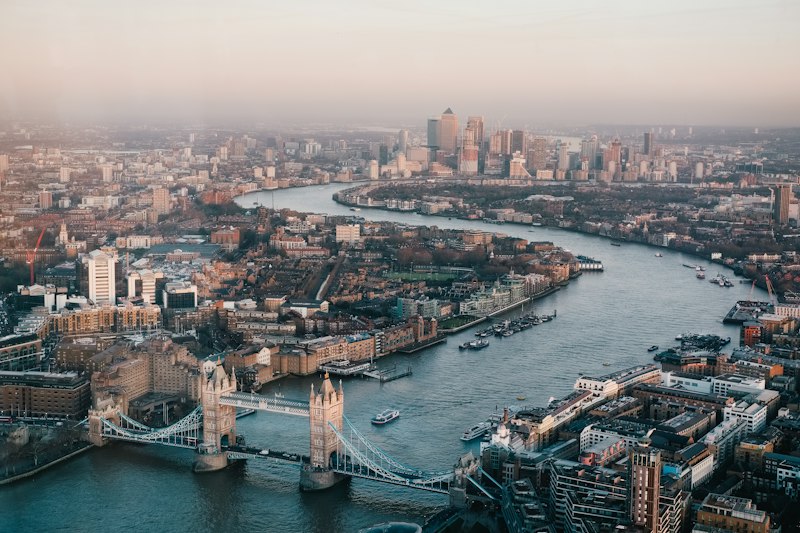
Tower Bridge riverside walk
Follow the Thames path toward Tower Bridge for the classic end-of-visit London frame — bridge ahead, fortress behind, and the river opening wide beside you.

St Dunstan in the East
If you need ten quiet minutes after the queues and stone corridors, this hidden ruined church garden gives you exactly that. Shaded, free, and usually far calmer than Tower Hill.

HMS Belfast
Still in history mode? Continue along the Thames to HMS Belfast for a working warship visit that pairs naturally with the Tower''s military story.
After the Tower walls
One default next move, plus three alternatives depending on what you need: food, quiet, or one final view.

Tower Bridge + river walk
Best for: the classic post-Tower move
If you want the classic post-Tower move, this is it. Step out of fortress stone into open river light, cross Tower Bridge, and let London suddenly feel bigger, calmer, and properly photogenic.
The paid walkway is optional. The outside crossing is enough for most visitors.
St Katharine Docks
Best for: a proper sit-down lunch
When the Tower has drained you, this is the easiest nearby reset: quieter than Tower Hill, waterside, and built for an actual lunch rather than a quick coffee.

St Dunstan in the East
Best for: escaping the crowds
A bomb-damaged church turned hidden garden, with ivy, stone arches, and real silence when you do not want another attraction stacked on top of the Tower.
Sky Garden
Best for: one memorable ending
If you want to finish big, this gives you sweeping views over the Tower, Thames, and City skyline from above, with no ticket cost if you can grab a free timed slot.